Beginner Guides
Essential Phone Setup Steps For Starters: Your Smooth Start Guide
Learn the must-have phone setup steps for new smartphone users. Secure your data, customize notifications, set up contacts, and discover expert tips for comfort and privacy in under 10 minutes.
Advertisement
Starting with a new smartphone can feel like moving into a blank apartment—so much potential, but it needs thoughtful setup. Right away, you want to get those early phone setup steps right for stress-free use. Even if you’ve owned devices before, new systems keep changing, and a modern approach helps everything run smoother from day one.
Why learn about phone setup steps? Smooth beginnings save you time and frustration, stopping those don’t-know-what’s-next moments after unboxing. When you focus on good setup habits, everything from privacy to battery life improves. Even seasoned users discover overlooked settings every year.
This article guides you through practical, easy-to-follow phone setup steps. Expect clear checklists, tested scenarios, and real-world analogies so you can navigate settings with confidence. Dive in to make your device a true personal tool from the start.
Turning New Phones Into Reliable Companions From Day One
Smartphone success starts with key choices during the opening setup. The first phone setup steps you take right after unboxing set a reliable pattern for daily use.
First, take a breath and clear a quiet space. Plug in your device to ensure a gentle, stable charge before stepping through each configuration screen.
Setting up Security With Your Own Rules
Choose a screen lock you’ll remember but isn’t easily guessed. Tap in a PIN, swipe pattern, or fingerprint—think of it as locking your front door every time you walk in.
For many, setting up a biometric unlock is worth it. Test your finger placement, then practice once with the screen off—confirm your comfort before moving forward.
Follow the prompts to link your phone to your email. Enter only one account to start, keeping extras for later. This prioritizes updates and emergency recovery.
Personalizing Device Language and Region Settings
Select language and region options that match your daily habits. The right region not only sets time zones but helps notifications land when expected.
Set your date and time manually if you travel, or choose auto-sync if you stay local. Double-check holiday and local formats before leaving this screen.
If you speak more than one language, add them now. Voice assistants and spellcheck work more smoothly when languages are properly listed in your setup sequence.
| Setup Area | First Choice | Common Mistake | What to Do Next |
|---|---|---|---|
| Screen Lock | Enable PIN or Fingerprint | Skipping setup | Test unlock right away, repeat twice for memory |
| Region Settings | Choose location | Leaving default | Set to real region for apps and updates to sync properly |
| Date/Time | Use auto-sync | Incorrect day/time | Manually review if traveling class=”table-cell” |
| Email Account | Add main account only | Adding too many | Prioritize setup and return for others |
| Language Settings | Pick main, add extras as needed | Forgetting to add | Edit/add before leaving settings screen |
Syncing Contacts, Photos, and All Your Essentials in One Go
Organized data transfer gives immediate rewards. Bringing in contacts and core content during phone setup steps means no frantic searching for old numbers or photos later.
Decide whether you’ll use cloud backup, direct cable, or SIM for contact transfer. Choose the most reliable method for your past device and avoid re-entering numbers one by one.
Copying From Your Last Device Step-By-Step
Keep your previous phone charged, connected to Wi-Fi, and within reach. Open the device’s phone setup steps, usually under ‘Transfer Data’ in the settings menu.
Select what you want moved—contacts, messages, photos, and apps. Read every prompt instead of tapping quickly; sometimes a tiny missed checkbox omits valuable memories.
- Start with ‘Contacts only’ if short on time; expand later via cloud tools. Quick restores help you call family or work right from the new device.
- Transfer photos by cloud (Google Photos, iCloud) for easy access from anywhere. Avoid direct cable transfer if your last phone is low on battery or older model.
- Bring only the most-used apps, skipping games or extras for now. Downloading later prevents slow first setups and wasted storage from rarely-used programs.
- Check sync status before disconnecting both phones. Wait for the success notification, not just a spinning icon—patience here means fewer missing files.
- Sync messages only after key contacts and photos are in place. Sometimes, messages can fail if other data hasn’t landed yet.
Once manual transfers finish, restart your new device as a checkpoint. This ensures every phone setup step solidifies before you dig into personalizations.
Tips for Clean, Controlled Data Transfers
Always sign into major cloud services before beginning. Cloud-based phone setup steps provide recovery if you need to start over.
Back up your old phone one last time at the start. If something goes wrong, you’ll always have a recovery point outside this migration process.
- Label any external storage, like SD cards or USB drives, by date. This habit avoids confusing old files with new during future backups.
- Wipe down both devices and wash hands before cable or SD swaps. Avoid unexpected glitches or fingerprints on sensitive connectors.
- Document which apps you install first in a quick list. This lets you see real priorities and speed up troubleshooting later.
- Skip public Wi-Fi for personal data transfers. Connecting with a secure home internet network reduces interruptions and privacy risks.
- Use built-in manufacturer transfer apps if available. These tools optimize phone setup steps so you don’t get bogged down by failed manual transfers or missing permissions.
Transfer basics are complete once you check against your pre-migration list—no skipped photos, missing favorites, or duplicate contacts.
Customizing Notifications, Tones, and Focus Modes for Everyday Comfort
Personalizing ringtones and do-not-disturb settings ensures your device fits daily routines, not the other way around. Early tweaks in these phone setup steps guard against sudden disruptions later.
Silent phones in meetings and tailored tones at home ease you into smart notification habits, so every alert brings value instead of stress.
Building an Effective Notification System
Edit notification preferences app-by-app, not just system-wide. Silence retail apps, but keep calls and texts audible, especially for family or urgent work contacts.
Test every sound: play a text chime and have a friend call. If anything is too loud or soft, swap ringtones for clearer volume and context cues.
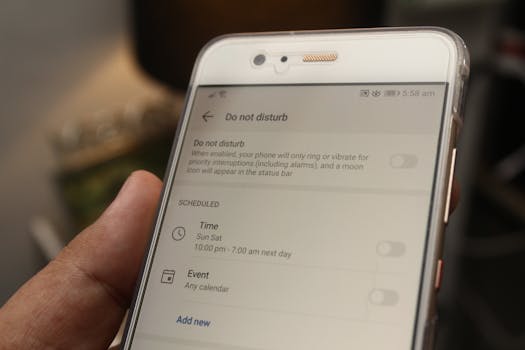
Adjust do-not-disturb modes by schedule, not just toggle. Block alerts during sleep or focus sessions without missing evening updates from friends or relatives.
Fine-Tuning Vibration and Visual Alerts
Set vibration strength to match how you carry the phone: subtle for pockets, moderate for bags or purses. This avoids missed calls without constant noise.
Switch on visual alert features like LED flashes or notification dots. These back up tones if you’re in a loud room, and help never miss what matters most.
Create different vibration patterns for contacts and app types. Practice feeling these patterns without looking—a skill that saves time over months of real-world use.
Enabling Privacy, Permissions, and Safety Nets Right Away
Prioritizing privacy and permissions directly during phone setup steps allows you to control what your device shares, with whom, and under what conditions.
Moving through privacy screens with focus secures your photos, voice data, or contact details from unwanted access, whether you’re new or experienced with mobile life.
Controlling App Permissions Case-by-Case
Visit each app’s settings as you install, tapping through permission screens slowly. Swipe off location or microphone access for shopping apps or social sites unless truly needed.
Check the difference between “while using” and “always allow”. Choose the restrictive option unless an app is useless without constant access (like navigation or fitness trackers).
Audit which apps request camera or contacts access. Remove permissions immediately if you notice something unexpected—better safe than sorry with personal data.
Activating Lost Phone Safeguards and Recovery Tools
Enable device location and remote wipe features in case your phone ever disappears. These steps give peace of mind, even if you never need them.
Link your new phone to a recovery email or emergency contact. If locked out, this can be the difference between a stressful loss or a quick restore.
Practice finding your phone using built-in tracking tools. Even a one-minute rehearsal lets you respond at real speed if the phone slips out of sight someday.
Optimizing Battery, Display, and Accessibility for Real-Life Scenarios
Configuring battery settings and display preferences as part of early phone setup steps shapes how long your device lasts between charges and how comfortable it feels during use.
Simple tweaks—a brighter screen or auto-brightness, adaptive battery optimization, and accessibility toggles—make all-day or all-night use possible without eye strain or dead batteries.
Boosting Battery Health With Easy Settings
Activate battery saver modes whenever you expect a long day or night away from outlets. Schedule automatic lower-brightness hours for daily commutes or quiet evenings.
Review which apps use advanced location or background data. Limit these to save both battery and privacy—drain and exposure drop together when you pay attention here.
Disable live wallpapers or screen widgets that refresh constantly. These cool flourishes are best reserved for charging at home, not battery life on the go.
Tailoring Display and Touch for Comfort
Switch to night mode or warmer colors in evenings to ease eyes. Manually adjust font and icon sizes for easier reading, especially if you use the phone mainly for messaging or news.
Test out accessibility gestures, magnification, and button shortcuts. These aren’t just for accessibility needs; they improve phone setup steps for everyone by speeding up navigation.
Set up face unlock or voice control if offered. Voice actions can be a major assist if your hands are full while cooking, cleaning, or holding a pet.
Conclusion: Carrying Good Setup Habits Forward for Everyday Ease
Establishing a thorough phone setup routine means you’re ready for smooth, secure, and satisfying device experiences. Every detail, from contacts to privacy, directly shapes your day-to-day mobile habits.
Phone setup steps aren’t a one-time event—they’re the groundwork for every app download, call, and photo taken in the weeks ahead. Investing a half-hour upfront pays off over years of use.
Continue reviewing your phone’s settings monthly. Tweaking alerts, permissions, or backups as your habits change keeps your device tuned perfectly for the way you really live.